Book a Free Criminal Defense Consultation
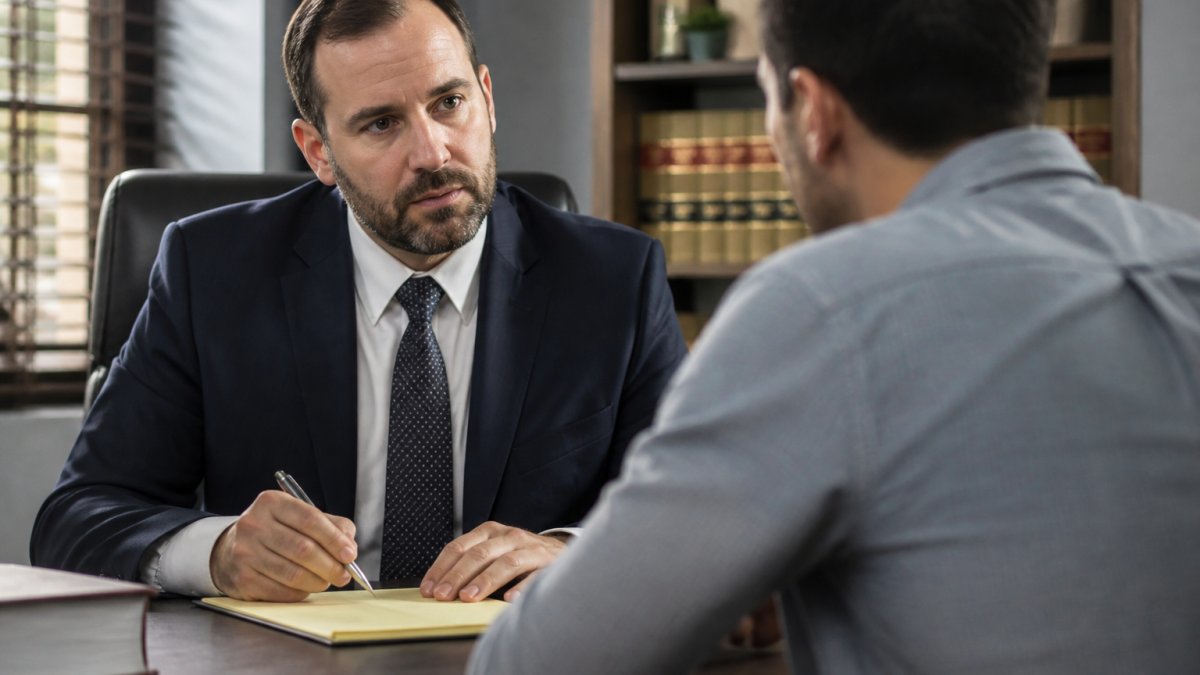
Table of Contents
- Why a Free Criminal Defense Consultation Matters
- How to Find and Contact a Criminal Defense Attorney
- What Happens at a Criminal Defense Consultation
- Criminal Defense Attorney Consultation Checklist: What to Prepare
- Questions to Ask a Criminal Defense Lawyer
- After the Consultation: Evaluating Your Options
- Urgent Situations and Quick Action
- Frequently Asked Questions
Last Updated: October 5, 2026
Why a Free Criminal Defense Consultation Matters
When you're facing criminal charges, the decisions you make in the first days matter enormously. A free criminal defense consultation gives you clarity on what you're actually facing, what your options are, and whether you need representation immediately. It's not just about getting legal advice, it's about understanding your rights before the system moves forward without you.
Many people delay contacting a criminal defense attorney because they assume it will cost money they don't have. That's a costly mistake. A free consultation lets you assess your situation with a professional who understands the stakes. You'll learn whether your charges are serious, what penalties you might face, and what steps come next. This information alone can change how you prepare and what decisions you make.
At Hawk Law PC, we know that getting ahead of your case early makes all the difference. The sooner you book a free criminal defense consultation, the sooner we can start protecting your rights. Whether you're facing DWI charges, drug offenses, federal crimes, or other serious allegations, that first conversation is crucial.
How to Find and Contact a Criminal Defense Attorney
Finding the right criminal defense attorney starts with knowing where to look. You have several paths: referrals from people you trust, bar association lawyer referral services, legal aid organizations if you qualify based on income, and direct contact with criminal defense firms in your area.

Start by searching for criminal defense attorneys or criminal defense lawyers in your area. When you find someone whose experience matches your charges, call and ask directly: "Do you offer a free criminal defense consultation?" Many firms do.
If cost is a barrier, look into legal aid organizations. You can find your local legal aid office through the Legal Services Corporation or your state bar association (I Need Legal Help | LSC).
Pro bono legal assistance is another option. Many criminal defense attorneys volunteer time through bar associations and legal aid organizations. These volunteer lawyers provide free legal services to qualifying clients. Some law firms take cases where the circumstances warrant aggressive defense regardless of a client's ability to pay upfront.
What Happens at a Criminal Defense Consultation
A criminal defense consultation is a conversation between you and an attorney to discuss your case. The attorney will ask you about the circumstances of your arrest or charges, what happened, and what you've been told by police or prosecutors. They'll explain the charges you're facing, what they mean, and what potential consequences could follow.
During the consultation, the attorney will typically ask detailed questions: What led to your arrest? What did police tell you? Do you have any documents, a citation, arrest warrant, or charging document? Have you had any contact with a prosecutor?
The attorney will explain the criminal justice process as it applies to your charges. They'll discuss whether your case is a misdemeanor or felony, what the typical outcomes are, and what your options might be. They'll also explain their approach to defense, how they challenge evidence, scrutinize police procedures, and build your case.
A good criminal defense consultation includes honest talk about your situation. The attorney shouldn't promise outcomes they can't guarantee. Instead, they should explain what they see, what questions need answers, and what comes next. If they recommend immediate action, like filing a motion or responding to a deadline, they should explain why.
Criminal Defense Attorney Consultation Checklist: What to Prepare
Preparing for your free criminal defense consultation means gathering documents and organizing your thoughts. This checklist helps you make the most of your time with the attorney.
| What to Bring | Why It Matters | Where to Find It |
|---|---|---|
| Arrest warrant or citation | Shows exact charges and court information | Police gave it to you, or check court records |
| Police report or incident report | Documents what police claim happened | Request from police or prosecutor |
| Any written statements you gave | Helps attorney understand what you said | Police may have given you a copy |
| Court summons or appearance notice | Tells you when and where to appear | Mailed to your address or given at arrest |
| Prior criminal record, if any | Affects sentencing and defense strategy | Attorney can request it; be honest about it |
| Photos, videos, or witness information | Evidence that supports your side | Your phone, security cameras, or witness contacts |
| Medical or employment records | Relevant if charges involve injury, impairment, or your job | Your doctor, employer, or your files |
| List of questions | Ensures you get answers you need | Write them down before the consultation |
Before your consultation, write down what happened in your own words. Don't overthink it, just describe the events as you remember them. Write down any questions you have. Common questions include: What are my chances? Will I go to jail? Can this be dismissed? What will this cost? When do I need to decide on representation?
Organize any documents you have. Even if they seem unimportant, bring them. A criminal defense attorney can spot details that matter. If you don't have documents, tell the attorney, they can request them from the court or prosecutor.
Be prepared to discuss your background briefly: your job, your family, whether you've been arrested before, and your financial situation. This context helps the attorney understand your case and your needs.
Questions to Ask a Criminal Defense Lawyer
Asking the right questions during your free criminal defense consultation ensures you get the information you need to make decisions. Here are questions that matter. (Source: Legal Services Corporation)
About Your Case:
- What are the exact charges I'm facing, and what do they mean?
- Is this a misdemeanor or felony, and what's the difference in my case?
- What are the possible penalties if I'm convicted?
- What weaknesses do you see in the prosecution's case?
- What defenses might apply to my situation?
About the Process:
- What happens next, and what's my timeline?
- When is my court date, and what should I expect?
- Will I need to appear in court, or can you handle it?
- How long does a case like mine typically take?
- What are the possible outcomes, conviction, acquittal, dismissal, plea deal?
About Representation:
- Do you have experience with cases like mine?
- How many cases like mine have you handled?
- Will you personally handle my case, or will someone else?
- What's your approach to defense, do you challenge evidence and procedures?
- How do you communicate with clients, and how often will we talk?
About Cost and Fees:
- What does your representation cost?
- How do you structure fees, hourly, flat fee, or payment plan?
- Are there additional costs beyond your fee?
- Do you offer payment plans or financing?
- If I can't afford representation, what options do I have?
About Next Steps:
- If I hire you, when can you start?
- What do you need from me to move forward?
- What should I do or not do before we meet again?
- How quickly can you respond if something urgent comes up?
These questions help you understand not just your case, but whether this attorney is the right fit for you. Pay attention to how they answer. Do they explain things clearly? Do they listen to your concerns? Do they seem confident but honest about what they can and cannot do?
After the Consultation: Evaluating Your Options
After your free criminal defense consultation, you need to decide whether to hire that attorney. This decision matters, so take time to evaluate what you learned.
Consider the attorney's experience. Did they demonstrate knowledge of your type of charge? Did they ask smart questions about your situation? Experience with cases like yours matters more than general criminal defense experience.
Think about communication and trust. Did the attorney listen to you? Did they explain things in ways you understood? Did they seem genuinely interested in your case, or did it feel like they were rushing through a consultation?
Evaluate the defense strategy they described. Did they talk about scrutinizing evidence and challenging improper police procedures? Did they explain specific defenses that might apply?
Consider the cost and whether it fits your situation. If you cannot afford private representation, ask about payment plans, pro bono options, or legal aid. Public defenders are criminal defense attorneys too, they handle serious cases and have experience.
If you consulted with more than one attorney, compare what you learned. Did they identify similar issues, or did different attorneys see different problems? Did one attorney seem more thorough or more experienced with your specific charges?
Urgent Situations and Quick Action
Some situations require immediate action. If you have a court date coming up soon, you cannot wait weeks to hire an attorney. If police are still investigating and might arrest you, getting advice quickly matters.
If your court date is within days or weeks, call criminal defense attorneys and tell them your timeline. Many attorneys can take emergency cases and move quickly. Hawk Law PC understands that some situations demand fast action.
If you're in custody, ask for a public defender immediately. You have the right to legal representation, and if you cannot afford it, the court will appoint one. This happens at your first appearance or arraignment.
If police are investigating and you haven't been charged yet, getting advice before you're arrested is smart. An attorney can advise you on your rights, what to do if police contact you, and how to protect yourself.
Document everything. If you're arrested, write down what happened as soon as you can, where you were, what police said, what you said, who was present. Write down the names and contact information of any witnesses. Keep any documents police gave you.
Facing criminal charges is stressful and disorienting. A free criminal defense consultation with Hawk Law PC gives you clarity and a real strategy.
Frequently Asked Questions
What should I ask during a free criminal defense consultation?
Ask about the attorney's experience with cases similar to yours, their defense strategy, potential outcomes, fees and payment plans, and timeline for your case. Inquire about their approach to criminal charges you face, whether they've handled felony or misdemeanor cases like yours, and what evidence they'll need. Ask how they communicate with clients and when you can expect updates. Understanding their process helps you determine if they're the right fit for your legal representation.
Is a free criminal defense consultation truly confidential?
Yes. Communications between you and an attorney during a consultation are protected by attorney-client privilege, meaning they cannot be disclosed without your permission. This confidentiality applies even if you decide not to hire the attorney. The privilege protects your legal rights and encourages open discussion about your criminal charges and case details. Always confirm the attorney's confidentiality practices at the start of your consultation.
What information should I bring to my initial legal consultation?
Bring any court documents, arrest records, police reports, and bail paperwork. Gather contact information for witnesses, a timeline of events, and documentation of any prior criminal history. Bring identification and information about your employment and financial situation, as these affect legal representation options. If you have prior interactions with law enforcement, bring those records. Organize this information in a folder to help your criminal defense attorney quickly understand your case and provide thorough legal advice.
Does a free consultation mean I have hired the attorney?
No. A free consultation is an initial meeting to discuss your case and determine if the attorney is right for you. It does not create a formal attorney-client relationship or obligate you to hire them. You can consult with multiple criminal defense attorneys before deciding. Once you sign a representation agreement and pay any required fees or retainer, the formal relationship begins. The consultation is your opportunity to ask questions and assess whether you want that attorney to handle your criminal charges.